

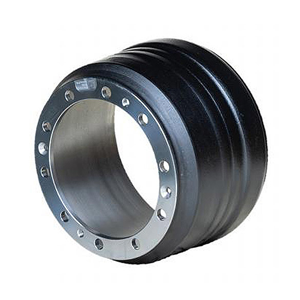
Perforated brake disc for car
Key words:

Brake disc,Perforated brake disc
### Brake Disc In the modern automotive industry, the braking system is one of the key components ensuring driving safety, and the brake disc, as a core component of this system, plays a vital role. This article will delve into the structure, working principle, material selection, maintenance, and technological development trends of brake discs, aiming to provide readers with a comprehensive and clear understanding. #### 1. Basic Structure and Function of Brake Discs A brake disc, as the name suggests, is a disc-shaped part, usually installed on the wheel hub and rotating synchronously with the wheel. Its main function is to cooperate with the brake pads in the brake caliper, converting the vehicle's kinetic energy into heat energy through friction, thus achieving the purpose of deceleration or stopping. Brake discs typically consist of a friction surface, a mounting surface, and ventilation holes (for ventilated discs). The friction surface is the area in direct contact with the brake pads, and its surface is specially treated to improve wear resistance and anti-heat fade performance; the mounting surface is used for fixed connection with the hub; the ventilation hole design helps to dissipate heat, reduce heat fade, and improve braking efficiency. #### 2. Working Principle of Brake Discs When the driver steps on the brake pedal, the hydraulic braking system is activated, and the brake fluid is compressed to push the pistons in the brake caliper outwards, thereby pressing the brake pads against the friction surface of the brake disc. Because the wheel is still rotating, a huge frictional force is generated between the brake disc and the brake pads. This frictional force hinders the rotation of the wheel, thereby converting the vehicle's kinetic energy into heat energy to achieve deceleration. As the braking process continues, the temperature of the brake disc and brake pads will rise sharply, which requires the brake disc material to have good thermal stability and wear resistance. #### 3. Material Selection of Brake Discs The material of the brake disc directly affects its performance and service life. Early brake discs mostly used cast iron materials because of their low cost, easy processing, and certain strength and wear resistance. However, with the development of automotive technology, the requirements for braking performance have become increasingly higher, and composite materials such as carbon fiber ceramic brake discs have begun to be used in high-performance vehicles. Carbon fiber ceramic brake discs have extremely high thermal stability, lighter weight, and longer service life, but they are expensive and are mainly used in racing cars and high-end luxury cars. In addition, there are some special cast iron alloys with adjusted component ratios to improve heat resistance, hardness, and fatigue strength to meet the needs of different vehicle models. #### 4. Maintenance of Brake Discs As a wearing part, brake discs require regular inspection and maintenance. Common maintenance items include: checking the thickness of the brake disc to ensure it is not less than the minimum safety thickness; observing the friction surface for cracks, severe wear, or hot spots; cleaning grease, dust, and other impurities from the surface of the brake disc to maintain good frictional contact; and regularly replacing brake pads and checking the cleanliness and level of brake fluid. It is worth noting that incorrect driving habits (such as frequent emergency braking) will accelerate the wear of the brake disc, so good driving habits are also an important factor in extending the life of the brake disc. #### 5. Technological Development Trends of Brake Discs With the rapid development of electric vehicles and autonomous driving technology, brake disc technology is also facing new challenges and opportunities. On the one hand, electric vehicles, due to differences in power systems, have higher energy efficiency requirements for braking systems, prompting brake discs to develop towards lightweight and efficient heat dissipation. On the other hand, the popularization of autonomous driving technology allows vehicles to predict braking needs in advance based on road conditions, optimize braking strategies through intelligent algorithms, reduce unnecessary braking wear, and extend the life of brake discs. In addition, with the advancement of materials science, the research and application of new brake materials such as high-performance alloys and composite materials will further improve the performance of brake discs to meet the higher requirements of the future automotive industry for safety, environmental protection, and energy saving. In summary, although brake discs are small, they are related to the overall driving safety. Understanding their structure, working principle, material selection, and maintenance not only helps to improve driving safety awareness but also provides a direction for thinking about the innovation and development of future braking technology. With the advancement of technology, we have reason to believe that future brake discs will be more intelligent, efficient, and durable, ensuring the safety of people's travel.
Exploring Innovations in Perforated Brake Disc Technology: A Comprehensive Guide
Exploring Innovations in Perforated Brake Disc Technology Table of Contents 1. Introduction to Perforated Brake Discs 2. Importance of Brake Systems in Vehicles 3. Advantages of Perforated Brake Discs 4. Design Innovations in Perforated Brake Discs 5. Manufacturing Techniques for Enhanced Performance 6. Applications of Perforated Brake Discs in Different Vehicles 7. Challenges and S
Key words:
Perforated Brake Discs: Enhancing Your Vehicle's Stopping Power for Optimal Performance
Perforated Brake Discs: Enhancing Your Vehicle's Stopping Power Table of Contents 1. Introduction to Perforated Brake Discs 2. Understanding Perforated Brake Discs 3. Benefits of Using Perforated Brake Discs 3.1 Improved Heat Dissipation 3.2 Enhanced Braking Performance 3.3 Reduced Brake Fade 3.4 Longer Life Span 4.
Key words:
The Significance of Perforated Brake Discs in Automotive Racing
The Significance of Perforated Brake Discs in Automotive Racing Introduction to Brake Discs in Racing In the fast-paced world of automotive racing, every component plays a crucial role in performance and safety. Among these, brake discs are vital for effective stopping power and handling. This article delves into the significance of **perforated brake discs**, exploring their benefits, application
Key words:
How to Ensure Longevity in Your Perforated Brake Discs
How to Ensure Longevity in Your Perforated Brake Discs Table of Contents 1. Introduction to Perforated Brake Discs 2. Importance of Brake Disc Longevity 3. Understanding Perforated Brake Discs 4. Essential Maintenance Tips for Perforated Brake Discs 4.1 Regular Visual Inspection 4.2 Proper Cleaning Techniques 5. Correct Installation Practices 6. Driving Habits Im
Key words:
Understanding Perforated Brake Discs: Enhancing Performance and Safety
When it comes to automotive braking systems, the components involved play a critical role in ensuring safety and performance. Among these components is the perforated brake disc, which has gained popularity in both performance vehicles and everyday cars. Understanding what a perforated brake disc is and how it operates can give you a clearer picture of its importance in vehicle safety and efficien
Key words:
Perforated brake disc wholesale
In the automotive parts market, perforated brake discs have become a popular choice among car enthusiasts and professionals alike.Best perforated brake discs are now available at cheap prices, especially when considering the quality they offer. These newest perforated brake discs are a result of advanced manufacturing techniques. The manufacturers in China are focusing on delivering quality products.
Latest Products
Latest News


Focus On The R&D Of Brake Drums And Wheels