


Understanding the Importance and Functionality of Car Brake Drums
May 18,2026
Car brake drums are a crucial component of a vehicle's braking system, primarily found in older models and certain rear-wheel drive vehicles. These components work in conjunction with brake shoes to slow down or stop the vehicle by converting kinetic energy into heat. Understanding how brake drums operate and their significance in automotive safety can help vehicle owners maintain their cars effec

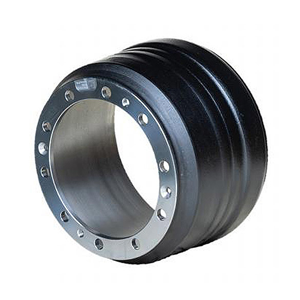
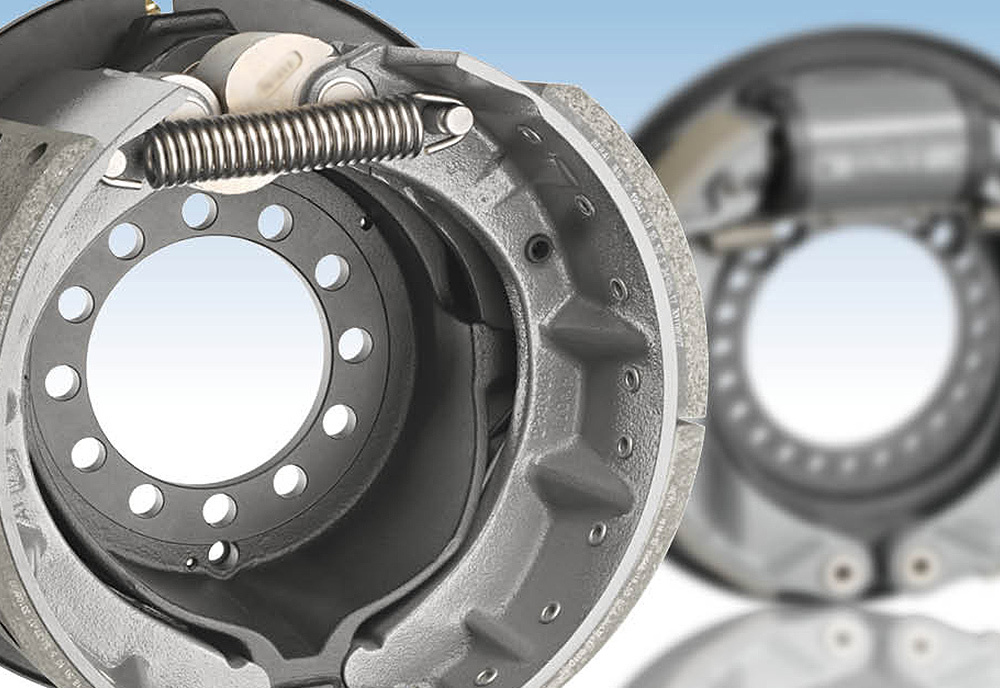
Car brake drums are a crucial component of a vehicle's braking system, primarily found in older models and certain rear-wheel drive vehicles. These components work in conjunction with brake shoes to slow down or stop the vehicle by converting kinetic energy into heat. Understanding how brake drums operate and their significance in automotive safety can help vehicle owners maintain their cars effectively.
The design of a brake drum is relatively simple yet effective. It is a cylindrical part made from cast iron or aluminum, which houses the brake shoes. When the driver applies the brake pedal, hydraulic pressure forces the shoes outward against the inner surface of the drum. This friction generates the necessary resistance to slow down or stop the vehicle. One of the key advantages of brake drums is their ability to dissipate heat, which is vital during prolonged braking scenarios, such as driving downhill or in stop-and-go traffic.
However, like any mechanical component, brake drums can experience wear and tear over time. Common issues include warping, cracking, or excessive scoring on the drum's inner surface. Such conditions can lead to reduced braking efficiency, increased stopping distances, and potential safety hazards. To maintain optimal performance, regular inspections and maintenance of the brake drums are essential.
Signs that your brake drums may need attention include a pulsating brake pedal, decreased braking responsiveness, or unusual noises such as grinding or squeaking when braking. If any of these symptoms occur, it's crucial to have the braking system evaluated by a professional technician. They can inspect not only the brake drums but also the associated components like brake shoes, wheel cylinders, and hydraulic lines, ensuring that the entire braking system operates smoothly.
When replacing brake drums, it's important to choose high-quality components that match the specifications of your vehicle. Proper installation is also critical; any misalignment can lead to premature wear or even brake failure. Therefore, it's advisable to have brake work performed by qualified professionals who can ensure that all parts are correctly fitted and functioning as intended.
In summary, car brake drums are an integral part of the braking system, contributing significantly to vehicle safety. Regular maintenance and timely replacements are key to ensuring that your braking system remains efficient and reliable. By understanding the function and importance of brake drums, vehicle owners can take proactive steps to enhance their driving experience and safety on the road.
The design of a brake drum is relatively simple yet effective. It is a cylindrical part made from cast iron or aluminum, which houses the brake shoes. When the driver applies the brake pedal, hydraulic pressure forces the shoes outward against the inner surface of the drum. This friction generates the necessary resistance to slow down or stop the vehicle. One of the key advantages of brake drums is their ability to dissipate heat, which is vital during prolonged braking scenarios, such as driving downhill or in stop-and-go traffic.
However, like any mechanical component, brake drums can experience wear and tear over time. Common issues include warping, cracking, or excessive scoring on the drum's inner surface. Such conditions can lead to reduced braking efficiency, increased stopping distances, and potential safety hazards. To maintain optimal performance, regular inspections and maintenance of the brake drums are essential.
Signs that your brake drums may need attention include a pulsating brake pedal, decreased braking responsiveness, or unusual noises such as grinding or squeaking when braking. If any of these symptoms occur, it's crucial to have the braking system evaluated by a professional technician. They can inspect not only the brake drums but also the associated components like brake shoes, wheel cylinders, and hydraulic lines, ensuring that the entire braking system operates smoothly.
When replacing brake drums, it's important to choose high-quality components that match the specifications of your vehicle. Proper installation is also critical; any misalignment can lead to premature wear or even brake failure. Therefore, it's advisable to have brake work performed by qualified professionals who can ensure that all parts are correctly fitted and functioning as intended.
In summary, car brake drums are an integral part of the braking system, contributing significantly to vehicle safety. Regular maintenance and timely replacements are key to ensuring that your braking system remains efficient and reliable. By understanding the function and importance of brake drums, vehicle owners can take proactive steps to enhance their driving experience and safety on the road.
Contact
E-mail:
Phone
Add:
West of Dongwang Village, Gucheng Town, Longyao County, Xingtai City, Hebei Province


Focus On The R&D Of Brake Drums And Wheels