

Exploring the Longevity of Heavy Truck Ceramic Brake Discs: Unveiling Performance, Durability, and Value
May 11,2026
Exploring the Longevity of Heavy Truck Ceramic Brake Discs
Heavy trucks are a vital component of our economy, transporting goods across vast distances. One of the fundamental aspects of ensuring these vehicles operate efficiently and safely is their braking system. Among the various components, brake discs have a significant role in the performance and safety of heavy trucks. In recent years, cera

Exploring the Longevity of Heavy Truck Ceramic Brake Discs
Heavy trucks are a vital component of our economy, transporting goods across vast distances. One of the fundamental aspects of ensuring these vehicles operate efficiently and safely is their braking system. Among the various components, brake discs have a significant role in the performance and safety of heavy trucks. In recent years, ceramic brake discs have gained popularity due to their superior attributes. This article delves into the longevity of heavy truck ceramic brake discs, providing detailed insights into their performance, durability, and maintenance to ensure longevity.
What Are Heavy Truck Ceramic Brake Discs?
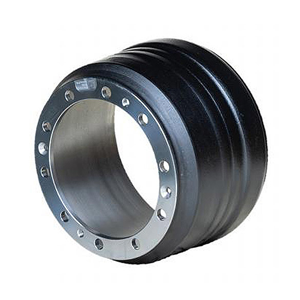
Heavy truck ceramic brake discs are designed using advanced ceramic materials, specifically engineered to improve braking performance while reducing wear and tear. Unlike traditional cast iron discs, ceramic brake discs offer several advantages, including enhanced heat dissipation and reduced brake fade. These attributes make them an attractive choice for heavy-duty applications.
The Science Behind Ceramic Materials
Ceramic materials used in brake discs are typically composed of a mixture of silicon carbide and other compounds, which contribute to their strength and thermal stability. The main advantages of ceramic materials include:
- **High Temperature Resistance**: Ceramic brake discs can withstand extreme temperatures without losing performance. This quality is essential for heavy trucks that frequently face prolonged braking during downhill descents or heavy loads.
- **Reduced Weight**: Compared to traditional materials, ceramic brake discs are lighter, contributing to the overall weight reduction of the truck. This weight saving can improve fuel efficiency and handling.
- **Wear Resistance**: Ceramic materials exhibit higher resistance to abrasion, meaning these brake discs generally last longer than their metal counterparts.
Comparing Ceramic Brake Discs with Traditional Options
When considering brake disc options, it is crucial to understand how ceramic brake discs stack up against traditional cast iron and carbon-carbon discs.
1. Durability
Ceramic brake discs are known for their durability and can last significantly longer than cast iron discs under similar conditions. While cast iron discs may require replacement every 30,000 to 50,000 miles, ceramic options can often last up to 70,000 miles or more, depending on driving habits and maintenance.
2. Heat Management
Heat management is critical in maintaining braking performance. Ceramic brake discs excel in dissipating heat, reducing the chances of brake fade, which can occur in traditional brake systems under extreme conditions. This quality provides a consistent braking experience, enhancing safety.
3. Noise and Vibration
Ceramic brake discs are designed to operate quietly, reducing noise and vibration during use. This characteristic can contribute to a more pleasant driving experience, particularly for long hauls.
Factors Influencing the Longevity of Heavy Truck Ceramic Brake Discs
Several factors determine the lifespan of ceramic brake discs in heavy trucks.
1. Driving Conditions
Heavy trucks often operate under demanding conditions, including uneven terrains, heavy loads, and frequent stops. These factors can lead to increased wear on brake components.
2. Maintenance Practices
Regular maintenance is essential to maximize the longevity of ceramic brake discs. This includes periodic inspections to check for any signs of wear, ensuring that brake pads are replaced as needed, and maintaining proper alignment and suspension components, which can affect brake performance.
3. Brake Pad Compatibility
Using high-quality brake pads that are compatible with ceramic discs is vital. Low-quality or incompatible pads can lead to premature wear of the discs and affect overall braking performance.
Maximizing the Longevity of Ceramic Brake Discs
To extend the life of heavy truck ceramic brake discs, owners and fleet managers should adhere to best practices in maintenance and operation.
1. Regular Inspections
Routine inspections of brake components will help identify potential issues before they escalate. Look for signs of uneven wear, cracks, or heat spots on the ceramic discs.
2. Choosing Quality Parts
Investing in high-quality ceramic brake discs and compatible brake pads will yield better performance and longevity. Avoiding low-cost alternatives can save money in the long run by reducing replacement frequency.
3. Educating Drivers
Training drivers on effective braking techniques can significantly influence disc longevity. Encourage smooth, gradual braking rather than abrupt stops to reduce heat buildup and wear.
4. Monitoring Driving Habits
Fleet managers should monitor driving behaviors that contribute to brake wear, such as heavy acceleration and frequent hard braking. Implementing a driver feedback program can help in promoting better driving habits.
Cost Comparison: Is It Worth the Investment?
When considering heavy truck ceramic brake discs, it's essential to evaluate the cost versus the benefits they provide.
1. Initial Investment vs. Longevity
Ceramic brake discs typically come at a higher initial cost compared to traditional options. However, their extended lifespan can offset this initial expense, providing better value over time.
2. Performance Benefits
The superior performance characteristics of ceramic brake discs, including enhanced safety and reduced maintenance frequency, can lead to cost savings in the long run.
3. Impact on Fuel Efficiency
As ceramic brake discs are lighter than traditional alternatives, they can contribute to improved fuel efficiency by reducing overall vehicle weight.
Real-World Applications of Ceramic Brake Discs
Many industries rely on heavy trucks for transporting goods, and the application of ceramic brake discs is becoming more common.
1. Logistics and Freight Transport
In logistics, ensuring vehicles are equipped with reliable braking systems is paramount. Many fleet operators are transitioning to ceramic brake discs to enhance safety and reduce downtime associated with brake maintenance.
2. Construction and Heavy Machinery
Construction vehicles often operate under extreme conditions. The durability of ceramic brake discs makes them suitable for these applications, minimizing wear during heavy load operations.
3. Public Transportation
With increasing attention to passenger safety, many public transport systems are upgrading their fleets with ceramic brake technology, ensuring effective and reliable braking performance.
Frequently Asked Questions (FAQs)
1. How long do ceramic brake discs last compared to traditional discs?
Ceramic brake discs can last up to 70,000 miles or more, while traditional cast iron discs typically last between 30,000 to 50,000 miles.
2. Are ceramic brake discs more expensive than conventional options?
Yes, ceramic brake discs generally have a higher initial cost, but their longevity and performance benefits can result in cost savings over time.
3. Do ceramic brake discs require special maintenance?
While they do not require special maintenance, regular inspections and using compatible high-quality brake pads can help maximize their lifespan.
4. Can I use ceramic brake discs with any brake pads?
It is recommended to use brake pads specifically designed for ceramic discs to avoid premature wear and ensure optimal performance.
5. What are the signs that my ceramic brake discs need replacement?
Signs include uneven wear, cracks, heat spots, or a decline in braking performance. Regular inspections can help identify these issues early.
Conclusion
Heavy truck ceramic brake discs are an excellent investment for fleet operators and truck owners seeking enhanced performance, safety, and longevity. Their unique properties, including high durability, heat resistance, and reduced weight, make them a superior choice compared to traditional options. By understanding the factors influencing their lifespan and adhering to best maintenance practices, operators can maximize the value of their ceramic brake discs, ensuring safer and more efficient transportation of goods. Transitioning to ceramic brake technology not only improves safety but can also result in significant cost savings over the vehicle's lifespan, making it a wise choice for the future of heavy-duty trucking.
Contact
E-mail:
Phone
Add:
West of Dongwang Village, Gucheng Town, Longyao County, Xingtai City, Hebei Province


Focus On The R&D Of Brake Drums And Wheels