


Understanding Car Drum Brakes: Essential Insights for Optimal Vehicle Performance
Jun 01,2026
Car drum brakes are a crucial component of many vehicles' braking systems, playing a significant role in ensuring safety and performance. Unlike disc brakes, which are more common in modern vehicles, drum brakes consist of a cylindrical drum that rotates with the wheel. Inside this drum, brake shoes, equipped with friction material, press against the inner surface of the drum to create friction th

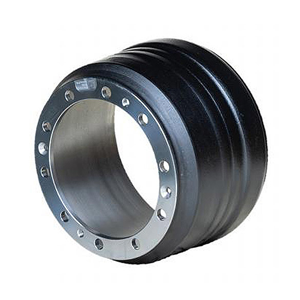
Car drum brakes are a crucial component of many vehicles' braking systems, playing a significant role in ensuring safety and performance. Unlike disc brakes, which are more common in modern vehicles, drum brakes consist of a cylindrical drum that rotates with the wheel. Inside this drum, brake shoes, equipped with friction material, press against the inner surface of the drum to create friction that slows down or stops the vehicle.
One of the main advantages of car drum brakes is their ability to generate significant stopping power. The design allows for a larger friction area compared to disc brakes, which can be particularly beneficial for heavier vehicles or those requiring a strong braking force. Additionally, drum brakes are generally less susceptible to moisture and debris, offering reliable performance in various weather conditions.
However, car drum brakes do have some limitations. They tend to dissipate heat more slowly than disc brakes, which can lead to brake fade during prolonged or aggressive braking. This phenomenon occurs when the brake components overheat, diminishing their effectiveness. Consequently, regular maintenance is essential to ensure optimal performance and longevity of drum brakes.
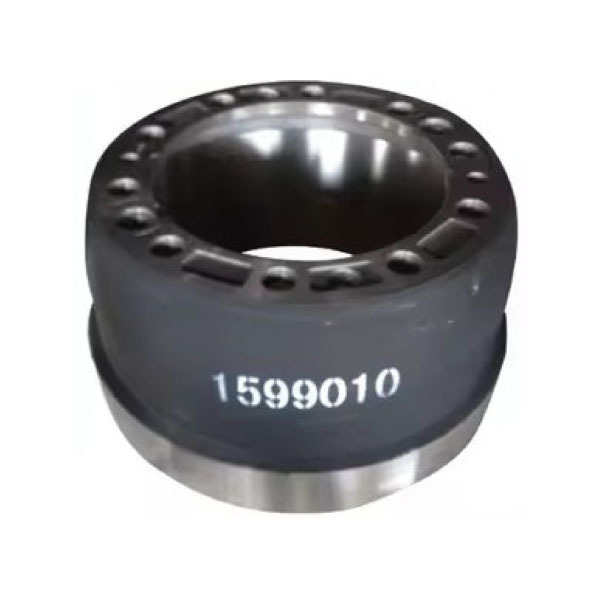
To maintain car drum brakes effectively, it is crucial to regularly inspect the brake shoes for wear and replace them as necessary. The drum itself should also be checked for scoring or warping, as these issues can compromise braking efficiency. Additionally, keeping the brake assembly clean from dust, debris, and moisture can significantly enhance performance and reduce wear.
Drivers should also be aware of the symptoms indicating that drum brakes may require attention. Common signs include a decrease in braking responsiveness, unusual noises (such as grinding or squeaking), or vibrations during braking. If any of these symptoms occur, it is advisable to have the brakes inspected by a qualified technician to avoid potential safety risks.
In conclusion, understanding the mechanics and maintenance of car drum brakes is essential for any vehicle owner. While they offer robust stopping power and reliability, proper care is necessary to maximize their performance and lifespan. By keeping an eye on signs of wear and conducting regular maintenance, drivers can ensure that their car drum brakes remain in optimal condition, contributing significantly to overall vehicle safety.
One of the main advantages of car drum brakes is their ability to generate significant stopping power. The design allows for a larger friction area compared to disc brakes, which can be particularly beneficial for heavier vehicles or those requiring a strong braking force. Additionally, drum brakes are generally less susceptible to moisture and debris, offering reliable performance in various weather conditions.
However, car drum brakes do have some limitations. They tend to dissipate heat more slowly than disc brakes, which can lead to brake fade during prolonged or aggressive braking. This phenomenon occurs when the brake components overheat, diminishing their effectiveness. Consequently, regular maintenance is essential to ensure optimal performance and longevity of drum brakes.
To maintain car drum brakes effectively, it is crucial to regularly inspect the brake shoes for wear and replace them as necessary. The drum itself should also be checked for scoring or warping, as these issues can compromise braking efficiency. Additionally, keeping the brake assembly clean from dust, debris, and moisture can significantly enhance performance and reduce wear.
Drivers should also be aware of the symptoms indicating that drum brakes may require attention. Common signs include a decrease in braking responsiveness, unusual noises (such as grinding or squeaking), or vibrations during braking. If any of these symptoms occur, it is advisable to have the brakes inspected by a qualified technician to avoid potential safety risks.
In conclusion, understanding the mechanics and maintenance of car drum brakes is essential for any vehicle owner. While they offer robust stopping power and reliability, proper care is necessary to maximize their performance and lifespan. By keeping an eye on signs of wear and conducting regular maintenance, drivers can ensure that their car drum brakes remain in optimal condition, contributing significantly to overall vehicle safety.


Contact
E-mail:
Phone
Add:
West of Dongwang Village, Gucheng Town, Longyao County, Xingtai City, Hebei Province


Focus On The R&D Of Brake Drums And Wheels