

Common Issues with Rear Axle Brake Drums and How to Fix Them
May 04,2026
Understanding Rear Axle Brake Drums
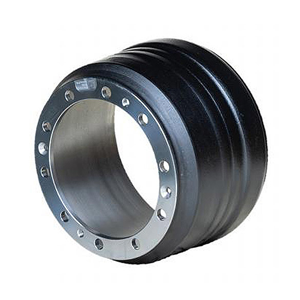
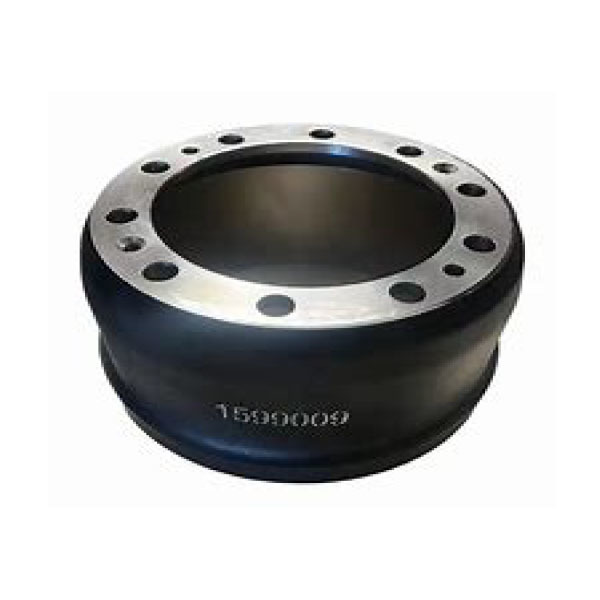
Rear axle brake drums are crucial components in a vehicle's braking system, playing a vital role in ensuring safety and efficiency. They house the brake shoes and are designed to create friction when the brakes are applied, ultimately slowing down or stopping the vehicle. While these components are built to last, several common issues can arise, leading to perfo
Understanding Rear Axle Brake Drums
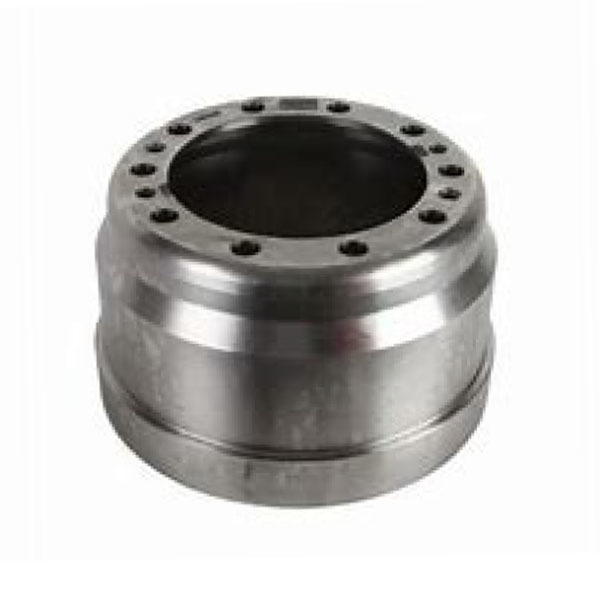
Rear axle brake drums are crucial components in a vehicle's braking system, playing a vital role in ensuring safety and efficiency. They house the brake shoes and are designed to create friction when the brakes are applied, ultimately slowing down or stopping the vehicle. While these components are built to last, several common issues can arise, leading to performance problems and safety concerns.
In this article, we will explore the most common problems associated with rear axle brake drums, how to identify them, and effective ways to fix them.
Table of Contents
- Common Issues with Rear Axle Brake Drums
- Signs of Worn Brake Drums
- Diagnosing Brake Drum Issues
- How to Inspect Brake Drums
- Common Fixes for Brake Drum Problems
- When to Seek Professional Help or DIY
- Preventative Maintenance Tips for Brake Drums
- FAQs about Rear Axle Brake Drums
Common Issues with Rear Axle Brake Drums
Several problems may develop with rear axle brake drums over time. Understanding these issues is essential for maintaining your vehicle's braking system effectively. Here, we highlight the most common problems:
1. Warped Brake Drums
Warping occurs when brake drums become uneven due to excessive heat and friction. This can lead to poor braking performance, causing vibrations when the brakes are applied. Warped brake drums may need to be turned or replaced, depending on the severity of the damage.
2. Cracked Brake Drums
Cracks can form in brake drums as a result of extreme stress, poor manufacturing, or excessive heat. Cracked drums can lead to catastrophic brake failure if not addressed promptly. Regular inspections are crucial to catch these issues early.
3. Rust and Corrosion
Brake drums are often exposed to moisture and road salt, which can lead to rust and corrosion. This can affect the functionality of the braking system, leading to decreased performance and safety hazards. Regular cleaning and rust prevention methods can help mitigate this issue.
4. Brake Shoe Contamination
Oil, grease, or brake fluid contamination on the brake shoes can significantly reduce braking efficiency. Contaminated brake shoes can cause squeaking and premature wear, necessitating timely replacement of both the shoes and drums.
Signs of Worn Brake Drums
Knowing the signs of worn brake drums is essential for vehicle safety. Here are some key indicators to watch for:
1. Unusual Noises
Squealing, grinding, or scraping noises when braking may indicate worn brake drums or shoes. These sounds should not be ignored, as they can signify severe wear or damage.
2. Vibration During Braking
Experiencing vibrations or pulsations when applying the brakes can be a sign of warped drums. If these symptoms occur, it's crucial to investigate further to avoid worsening the problem.
3. Reduced Braking Performance
If you notice that your vehicle takes longer to stop or the brakes feel less responsive, worn brake drums may be the culprit. Addressing these symptoms promptly is vital for safety.
4. Increased Stopping Distance
An increase in the distance required to come to a complete stop can indicate brake drum issues. This can be particularly dangerous in emergency situations.
Diagnosing Brake Drum Issues
Proper diagnosis of rear axle brake drum issues is essential for effective repairs. Here’s how to diagnose common problems:
1. Visual Inspection
Start with a thorough visual inspection of the brake drums. Look for signs of wear, cracks, or rust. Inspecting the brake shoes for contamination is also crucial.
2. Measuring Drum Diameter
Use a micrometer to measure the drum's inner diameter. If it exceeds the manufacturer's specifications, it may need to be replaced.
3. Checking for Heat Damage
Feel the surface of the drum to check for heat spots or discoloration, which can indicate overheating and potential warping.
How to Inspect Brake Drums
Performing a brake drum inspection is a straightforward process that can help identify issues before they become serious. Follow these steps:
1. Remove the Wheel
Begin by safely lifting the vehicle and removing the wheel to access the brake drum.
2. Check the Drum Surface
Inspect the drum surface for uneven wear, cracks, or rust. Ensure that there are no visible grooves or scoring.
3. Measure the Thickness
Use a caliper to measure the thickness of the brake drum. If it is below the manufacturer's minimum thickness, replacement is necessary.
4. Inspect Brake Shoes
Check the brake shoes for signs of wear, contamination, or damage. Replace them if they are worn unevenly or contaminated.
Common Fixes for Brake Drum Problems
Addressing issues with rear axle brake drums requires specific solutions. Here are some common fixes:
1. Resurfacing or Replacing Drums
If the drums are warped or damaged but not excessively thin, resurfacing may be an option. If they are too worn or cracked, replacement is necessary.
2. Changing Brake Shoes
Replacing worn or contaminated brake shoes is often needed to restore proper braking performance. Make sure to clean the area thoroughly before installing new shoes.
3. Cleaning and Rust Prevention
Regularly clean your brake drums and shoes to prevent rust and contamination. Applying a protective coating can also help extend their lifespan.
4. Proper Installation
When replacing brake drums or shoes, make sure to install them according to the manufacturer's specifications to ensure proper function.
When to Seek Professional Help or DIY
While some brake drum issues can be resolved through DIY methods, others may require professional assistance. Here’s how to decide:
1. Assess Your Skill Level
If you have experience with automotive repairs, you may feel comfortable tackling minor brake drum issues on your own. However, complex problems may require a professional's expertise.
2. Safety Considerations
If you are unsure about the condition of your brake system or feel unsafe performing repairs, it’s best to consult a professional mechanic.
Preventative Maintenance Tips for Brake Drums
To extend the lifespan of your rear axle brake drums and maintain optimal performance, consider the following preventative maintenance tips:
1. Regular Inspections
Conduct routine inspections of your brake system to catch issues early. Check for wear, rust, and contamination regularly.
2. Brake Fluid Checks
Monitor your brake fluid levels and quality. Low or contaminated fluid can lead to brake issues and should be addressed immediately.
3. Timely Replacements
Replace brake shoes and drums according to the manufacturer's recommendations or when signs of wear become evident.
4. Drive Responsibly
Adopting safe driving habits can reduce wear and tear on your braking system, prolonging the life of your brake drums.
FAQs about Rear Axle Brake Drums
1. What is the lifespan of rear axle brake drums?
The lifespan of rear axle brake drums varies based on usage, driving conditions, and maintenance but generally ranges from 30,000 to 70,000 miles.
2. How can I tell if my brake drums need replacing?
Signs include unusual noises while braking, vibrations, reduced braking efficiency, and visible damage upon inspection.
3. Can I replace brake drums myself?
Yes, if you have the necessary skills and tools, you can replace brake drums yourself. However, professional assistance may be required for complex issues.
4. How often should I inspect my brake drums?
It’s advisable to inspect your brake drums every 6,000 to 10,000 miles or whenever you notice any brake performance issues.
5. What can cause brake drums to warp?
Brake drums can warp due to excessive heat, uneven wear, or poor installation. Ensuring proper braking techniques can help minimize this risk.
Conclusion
Rear axle brake drums are vital for ensuring safe and effective vehicle operation. Identifying common issues, understanding the signs of wear, and learning how to fix these problems are essential for all vehicle owners. Regular inspections and preventative maintenance can significantly extend the lifespan of your brake drums, ensuring that your braking system remains in optimal condition.
By following the guidance provided in this article, you can take proactive steps to maintain your rear axle brake drums, enhancing your vehicle’s safety and performance. If you encounter any significant issues, do not hesitate to seek professional assistance to ensure your vehicle remains roadworthy.


Contact
E-mail:
Phone
Add:
West of Dongwang Village, Gucheng Town, Longyao County, Xingtai City, Hebei Province


Focus On The R&D Of Brake Drums And Wheels