

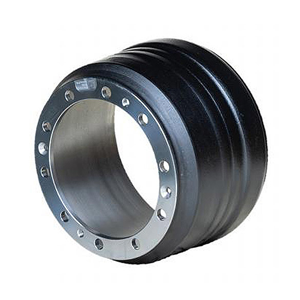
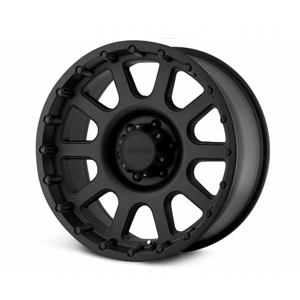

The Future of Electric Car Wheel Brake Drum Technology: Innovations and Impacts
Apr 13,2026

The Future of Electric Car Wheel Brake Drum Technology
The evolution of electric vehicles (EVs) has sparked tremendous advancements across various automotive components, with the braking system being a critical area of focus. As the demand for sustainable transportation solutions continues to grow, the technology behind electric car wheel brake drums is undergoing significant transformation. This article explores the future of this essential component, examining innovations, benefits, and implications for both manufacturers and consumers.
Table of Contents
- 1. Introduction to Electric Car Brake Drum Technology
- 2. Historical Overview of Brake Drum Systems
- 3. Current Technology in Electric Car Brake Drums
- 4. Innovations on the Horizon: The Future of Brake Drums
- 5. Sustainability and Environmental Impact
- 6. Safety Enhancements in Electric Brake Systems
- 7. Challenges and Solutions in Brake Drum Development
- 8. Consumer Education and Awareness
- 9. Conclusion
- 10. FAQs about Electric Car Brake Drum Technology
1. Introduction to Electric Car Brake Drum Technology
As we step into the era of electric vehicles, understanding the technology behind their braking systems becomes increasingly vital. Electric car wheel brake drums play an essential role in ensuring safety and performance. Unlike traditional vehicles, EVs require specialized braking mechanisms tailored to their unique operational characteristics. This article aims to shed light on the future of electric car brake drum technology, highlighting the innovations shaping its development and the benefits they bring to electric car users.
2. Historical Overview of Brake Drum Systems
Brake drum systems have been integral to the automotive industry for over a century. Originally designed for gas-powered vehicles, brake drums operate by using friction to slow or stop the vehicle. Historically, these systems faced challenges, including heat dissipation and wear over time. With the introduction of electric vehicles, the need for more efficient, durable, and lightweight braking systems has become apparent.
Transitioning to electric cars presented unique challenges, necessitating a re-evaluation of traditional brake drum technology. The traditional materials used in brake drums, such as cast iron, have been scrutinized for their weight and performance capabilities. As a result, manufacturers began exploring alternative materials and designs that could enhance efficiency and safety.
3. Current Technology in Electric Car Brake Drums
Present-day electric car brake drum technology incorporates several advancements aimed at increasing efficiency and safety. Key features of current brake drum systems include:
3.1. Lightweight Materials
Modern brake drums often utilize advanced materials, such as composite plastics and aluminum alloys, to reduce weight while maintaining structural integrity. This shift lowers the overall weight of the vehicle, contributing to improved range and efficiency.
3.2. Regenerative Braking Systems
One of the most significant innovations in electric car braking technology is regenerative braking. This system allows the vehicle to convert kinetic energy back into stored energy in the battery when braking. This not only enhances energy efficiency but also reduces wear on brake components, extending their lifespan.
3.3. Enhanced Heat Management
Heat management is crucial for maintaining braking performance. Current electric car brake drums incorporate advanced cooling technologies, such as ventilated designs and heat-resistant materials, to mitigate overheating during prolonged use.
4. Innovations on the Horizon: The Future of Brake Drums
As the electric vehicle market continues to evolve, several emerging trends are set to redefine brake drum technology:
4.1. Smart Braking Systems
Integrating artificial intelligence (AI) into braking systems can significantly enhance performance. Smart brake systems will use real-time data to adjust braking force based on driving conditions, optimizing safety and efficiency.
4.2. Biodegradable Materials
In an effort to promote sustainability, researchers are exploring biodegradable materials for brake drum production. These innovations could reduce the environmental impact of brake components, aligning with the eco-friendly ethos of electric vehicles.
4.3. Advanced Surface Treatments
Future brake drums may feature advanced surface treatments like ceramic coatings, which can enhance durability and reduce friction. These treatments would lead to improved performance and longevity, decreasing the frequency of replacements.
5. Sustainability and Environmental Impact
Electric vehicles are often praised for their potential to reduce carbon emissions, but the sustainability of all components is crucial. The future of brake drum technology plays a significant role in this regard. By shifting towards eco-friendly materials and manufacturing practices, the industry can reduce its ecological footprint. Innovations like recyclable materials and reduced energy consumption during production contribute to a more sustainable automotive ecosystem.
6. Safety Enhancements in Electric Brake Systems
Safety remains a top priority in automotive design, especially in electric vehicles. The advancements in brake drum technology contribute significantly to enhancing safety features:
6.1. Improved Stopping Power
With innovations in materials and design, modern brake drums can provide better stopping power, allowing for shorter braking distances. This improvement is crucial for enhancing overall vehicle safety, especially in urban environments.
6.2. Reliability Under Extreme Conditions
Brake systems must perform reliably under various conditions, including extreme temperatures and heavy loads. The future of brake drum technology focuses on creating systems that maintain performance and reliability, even under challenging circumstances.
6.3. Integration with Advanced Driver Assistance Systems (ADAS)
As vehicles adopt more advanced driver assistance technologies, brake systems must integrate seamlessly with these systems. Future brake drums will be designed to work in harmony with features like automatic emergency braking, enhancing overall safety and user confidence.
7. Challenges and Solutions in Brake Drum Development
Despite the advancements in electric car brake drum technology, several challenges persist:
7.1. Cost of Advanced Materials
The use of advanced materials and technologies can increase production costs. Manufacturers must find ways to balance performance enhancements with cost-effectiveness to make electric vehicles accessible to a broader audience.
7.2. Standardization of Components
As electric vehicles proliferate, the need for standardized components, including brake drums, becomes essential. Developing industry standards will facilitate compatibility and streamline production processes.
7.3. Consumer Acceptance
Educating consumers about the benefits of advanced brake technologies is crucial for widespread adoption. Increased awareness can lead to greater acceptance and demand for electric vehicles and their innovative braking systems.
8. Consumer Education and Awareness
As technology evolves, educating consumers about the benefits and functionalities of electric car brake drum technology is essential. Manufacturers and industry advocates must provide clear, accessible information on how these systems work and their advantages over traditional braking mechanisms. This knowledge empowers consumers to make informed decisions and embrace the transition to electric vehicles wholeheartedly.
9. Conclusion
The future of electric car wheel brake drum technology is poised for remarkable advancements, driven by the need for increased efficiency, safety, and sustainability. As manufacturers continue to innovate, the integration of smart systems, eco-friendly materials, and enhanced performance features will redefine the braking experience for EV users. By addressing the challenges facing this technology and focusing on consumer education, we can pave the way for a safer, more sustainable automotive future.
10. FAQs about Electric Car Brake Drum Technology
1. What are brake drums, and how do they work in electric vehicles?
Brake drums are components that create friction to slow down or stop a vehicle. In electric vehicles, they are designed to work with regenerative braking systems, converting kinetic energy into stored energy while improving braking efficiency.
2. What materials are used in modern electric car brake drums?
Modern electric car brake drums often utilize lightweight materials such as composite plastics and aluminum alloys, which enhance performance while reducing weight.
3. How does regenerative braking work?
Regenerative braking recaptures energy that would be lost during braking, converting it back into electrical energy and storing it in the vehicle's battery, thus increasing overall energy efficiency.
4. What are some potential future advancements in brake drum technology?
Future advancements may include smart braking systems, biodegradable materials, and advanced surface treatments that enhance durability and performance.
5. How can consumers educate themselves about electric car braking systems?
Consumers can educate themselves by researching online resources, attending automotive expos, and participating in community workshops focused on electric vehicle technology.
In conclusion, as we navigate the future of electric transportation, the evolution of braking technology will play a pivotal role in shaping our driving experiences. By embracing innovation and sustainability, we can ensure that the next generation of electric vehicles is not only efficient but also safe and environmentally friendly.


Contact
E-mail:
Phone
Add:
West of Dongwang Village, Gucheng Town, Longyao County, Xingtai City, Hebei Province


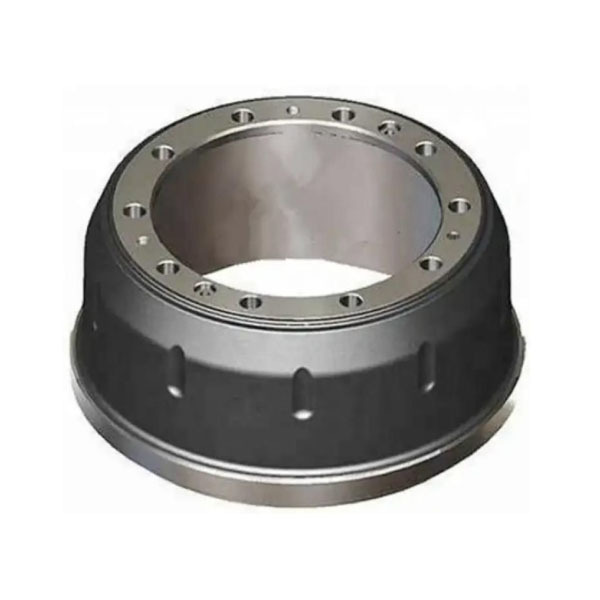
Focus On The R&D Of Brake Drums And Wheels