

Top Features to Look for in Electric Car Wheel Brake Drums
Feb 02,2026
Top Features to Look for in Electric Car Wheel Brake Drums
Understanding Electric Car Brake Systems
Electric vehicles (EVs) have revolutionized the automotive industry, introducing unique technology and design elements that enhance performance and safety. Central to an EV's safety is its braking system, particularly the wheel brake drums, which play a crucial role in ensuring effective stoppin

Top Features to Look for in Electric Car Wheel Brake Drums
Understanding Electric Car Brake Systems
Electric vehicles (EVs) have revolutionized the automotive industry, introducing unique technology and design elements that enhance performance and safety. Central to an EV's safety is its braking system, particularly the wheel brake drums, which play a crucial role in ensuring effective stopping power.
The Importance of Brake Drums in Electric Vehicles
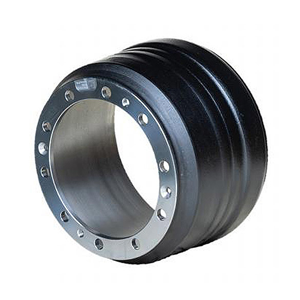
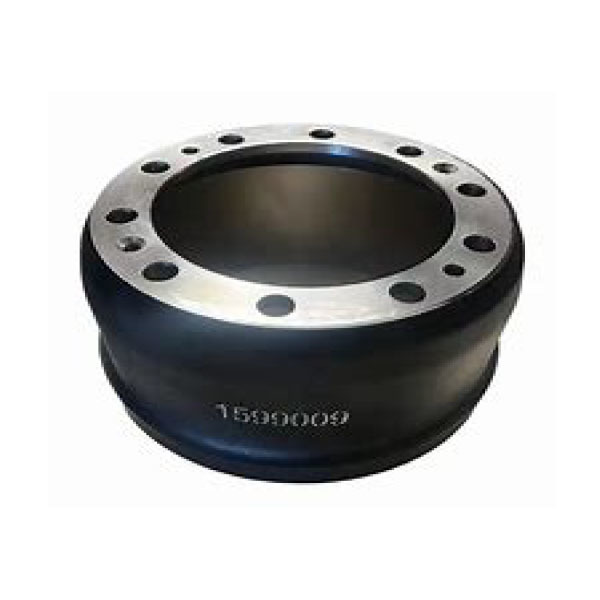
Brake drums in EVs serve as the primary component that provides friction to slow down or stop the vehicle. Unlike traditional vehicles that rely solely on disc brakes, many electric cars incorporate brake drums in their design for various reasons:
1. **Cost Efficiency:** Brake drums can be more economical to produce compared to disc brakes, making them an attractive option for manufacturers.
2. **Weight Distribution:** The design of brake drums can help distribute weight more evenly, enhancing overall vehicle stability and handling.
3. **Space Optimization:** Brake drums often require less space than disc brakes, allowing for more compact vehicle designs.
Top Features to Consider When Choosing Electric Car Wheel Brake Drums
When selecting brake drums for your electric vehicle, consider the following key features to ensure optimal performance and safety:
1. Material Composition
The material used in brake drum construction significantly impacts performance and durability. Common materials include:
- **Cast Iron:** Known for its strength and heat resistance, cast iron provides excellent performance but can be heavier.
- **Aluminum Alloys:** Lightweight and corrosion-resistant, aluminum brake drums can enhance efficiency by reducing overall vehicle weight.
- **Composite Materials:** Increasingly popular, composite materials offer a blend of weight savings and heat dissipation capabilities, ideal for high-performance electric vehicles.
2. Heat Dissipation Properties
Electric vehicles generate substantial heat during braking, particularly in aggressive driving conditions. Effective heat dissipation is crucial to prevent brake fade. Look for brake drums designed with:
- **Ventilation Vents:** Integrated vents improve airflow, reducing heat build-up and maintaining braking efficiency.
- **Heat-Resistant Coatings:** Specialized coatings can enhance thermal management, prolonging the lifespan of the brake drum.
3. Compatibility with Regenerative Braking Systems
Modern electric vehicles often incorporate regenerative braking systems that convert kinetic energy back into electrical energy. Brake drums must be compatible with these systems to ensure seamless integration. Features to look for include:
- **Adaptive Pressure Sensors:** These sensors optimize braking force based on driving conditions and vehicle speed.
- **Synchronized Operation:** Brake drums should work in harmony with regenerative systems for maximum efficiency.
4. Noise and Vibration Dampening
Excessive noise and vibration can lead to an uncomfortable driving experience. High-quality brake drums feature:
- **Anti-Vibration Designs:** Constructed to minimize vibrations, enhancing ride comfort.
- **Noise-Reducing Materials:** Some drums utilize materials that absorb sound, reducing operational noise levels.
5. Durability and Longevity
Investing in durable brake drums is essential for long-term performance. Key aspects to consider include:
- **Resistance to Wear:** Choose brake drums that can withstand heavy use and resist abrasion.
- **Corrosion Resistance:** Drums with protective coatings can prevent rust and degradation, ensuring a longer lifespan.
6. Weight Considerations
A lighter braking system contributes to increased range and efficiency in electric vehicles. Features that minimize weight include:
- **Lightweight Materials:** Opt for advanced materials that offer strength without adding excess weight.
- **Compact Designs:** Smaller brake drums can help reduce overall vehicle weight, enhancing efficiency.
7. Performance Ratings
Understanding the performance ratings of brake drums is vital for ensuring optimal safety. Key rating metrics include:
- **Friction Coefficient:** A higher friction coefficient indicates better stopping power.
- **Heat Capacity Rating:** This rating indicates how well the brake drum can withstand heat without losing performance.
8. Manufacturer Reputation and Warranty
Selecting brake drums from reputable manufacturers can provide peace of mind. Consider:
- **Brand Trustworthiness:** Research brands known for high-quality brake systems.
- **Warranty Terms:** A comprehensive warranty can indicate a manufacturer’s confidence in their product's durability and performance.
Factors to Consider During Installation
Once you’ve selected the right electric car wheel brake drums, installation is critical to ensure their effectiveness. Consider the following factors:
1. Professional Installation vs. DIY
While some vehicle owners may be inclined to install brake drums themselves, professional installation ensures proper alignment and functionality.
2. Brake Fluid Compatibility
Ensure that the brake fluid used is compatible with the new brake drums to maintain optimal performance.
3. Regular Maintenance
Routine inspections and maintenance are vital to ensure that brake drums function effectively over time. Regular checks can prevent costly repairs and enhance safety.
Frequently Asked Questions (FAQs)
1. What are the main benefits of using brake drums in electric vehicles?
Brake drums offer advantages such as cost efficiency, weight distribution, and space optimization, which are particularly beneficial for electric vehicles.
2. How often should brake drums be replaced in an electric vehicle?
Brake drums should typically be inspected every 30,000 to 50,000 miles, but replacement may be necessary sooner if wear is evident.
3. Can I upgrade my existing brake drums to improve performance?
Yes, upgrading to high-performance brake drums can enhance braking efficiency, heat dissipation, and overall vehicle safety.
4. Are all brake drums compatible with regenerative braking systems?
No, not all brake drums are designed for compatibility with regenerative braking systems. Ensure the selected drums are specifically designed for this purpose.
5. What should I do if I experience brake noise in my electric vehicle?
If you experience unusual brake noise, it's essential to have your braking system inspected by a professional to determine the cause and necessary repairs.
Conclusion
Selecting the right wheel brake drums for your electric vehicle is crucial for ensuring optimal performance and safety. By considering material composition, heat dissipation properties, and compatibility with regenerative braking systems, you can make informed choices that enhance your vehicle's efficiency and longevity. Investing in high-quality brake drums not only improves stopping power but also contributes to a more enjoyable driving experience. Regular maintenance and professional installation further ensure that your braking system performs at its best, keeping you safe on the road.


Contact
E-mail:
Phone
Add:
West of Dongwang Village, Gucheng Town, Longyao County, Xingtai City, Hebei Province


Focus On The R&D Of Brake Drums And Wheels