

Top Maintenance Tips for Your Rear Axle Brake Drum
Dec 15,2025

Top Maintenance Tips for Your Rear Axle Brake Drum
Table of Contents
- Understanding Rear Axle Brake Drums
- Importance of Regular Maintenance
- Signs of Wear and Tear in Brake Drums
- Step-by-Step Guide to Maintaining Rear Axle Brake Drums
- Preventive Maintenance Tips
- Common Maintenance Mistakes to Avoid
- Frequently Asked Questions
- Conclusion
Understanding Rear Axle Brake Drums
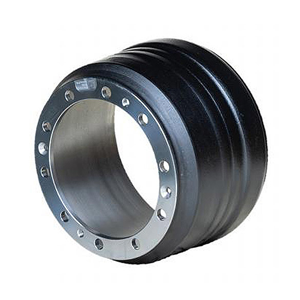
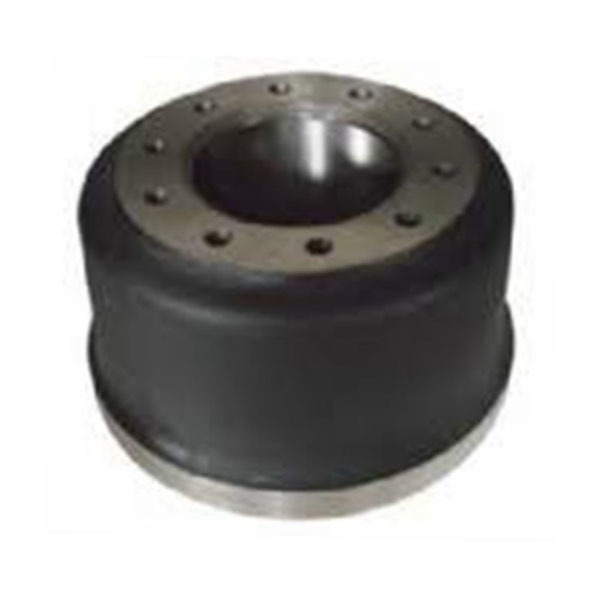
The **rear axle brake drum** is a crucial component of your vehicle's braking system. It functions by working in tandem with brake shoes to provide stopping power. When you press the brake pedal, fluid is sent to the brake shoes, which then expand and press against the inner surface of the drum. This process generates friction, allowing your vehicle to slow down or come to a complete stop.
Understanding the construction and functionality of your rear axle brake drum enables you to appreciate its importance in vehicle safety and performance. Regular maintenance is essential for ensuring that your brake drums operate effectively and safely.
Importance of Regular Maintenance
Regular maintenance of your rear axle brake drums is vital for several reasons:
1. **Safety:** Properly functioning brake drums are critical for safe stopping. Neglecting maintenance can lead to brake failure, increasing the risk of accidents.
2. **Cost-Effectiveness:** Regular checks can help you catch minor issues before they escalate into major problems requiring costly repairs.
3. **Performance:** Well-maintained brake drums improve overall vehicle performance, ensuring smoother and more reliable braking.
4. **Longevity:** Routine maintenance extends the life of your brake components, saving you money in the long run.
Investing time and effort into maintaining your rear axle brake drums can significantly enhance your vehicle's safety and performance.
Signs of Wear and Tear in Brake Drums
Being aware of the signs of wear and tear in your brake drums is essential for effective maintenance. Look out for the following indicators:
- **Unusual Noises:** Grinding or squeaking sounds when braking can indicate worn brake shoes or damaged drum surfaces.
- **Vibrations:** If you feel vibrations in the brake pedal, it may signal uneven wear or warping of the brake drum.
- **Reduced Braking Performance:** If your vehicle takes longer to stop than usual, it could be a sign of brake drum issues.
- **Visual Inspection:** Look for cracks, scoring, or discoloration on the drum's surface, which can indicate wear.
Promptly addressing these signs can prevent more severe damage and ensure safe vehicle operation.
Step-by-Step Guide to Maintaining Rear Axle Brake Drums
Proper maintenance involves a systematic approach to inspecting and servicing your rear axle brake drums. Follow this step-by-step guide to keep your braking system in optimal condition.
Cleaning the Brake Drums
1. **Gather Materials:** You'll need a soft brush, brake cleaner, and a clean cloth.
2. **Remove the Wheel:** Safely lift the vehicle and remove the wheel to access the brake drum.
3. **Clean the Drum Surface:** Spray brake cleaner on the drum and use the brush to scrub away dirt, dust, and debris.
4. **Wipe Down:** Use a clean cloth to remove any remaining cleaner and particles.
Regular cleaning prevents dirt buildup, ensuring efficient brake function.
Checking for Damage
1. **Visual Inspection:** Examine the brake drum for visible signs of wear, such as cracks or deep grooves.
2. **Measure the Drum Thickness:** Use a micrometer to check if the drum thickness is within the manufacturer's specifications.
3. **Check for Warping:** Spin the drum and observe for wobbling, which can indicate warping.
Identifying damage early allows for timely repairs or replacements, preventing potential safety hazards.
Adjusting Brake Linings
1. **Access the Brake Shoes:** Remove the brake drum to reveal the brake shoes and linings.
2. **Check the Adjustment:** Ensure the brake shoes are correctly adjusted to make contact with the drum surface without excessive gap.
3. **Adjust as Necessary:** Use the adjustment mechanism to bring the shoes closer to the drum if needed.
Proper adjustment ensures efficient braking and extends the life of your components.
Replacing Worn Components
1. **Identify Worn Parts:** Look for signs of wear on brake shoes, springs, and hardware.
2. **Remove Old Components:** Carefully remove any worn parts according to the manufacturer's guidelines.
3. **Install New Parts:** Use high-quality replacement parts and follow proper installation procedures.
Replacing worn components ensures your braking system operates safely and effectively.
Preventive Maintenance Tips
To keep your rear axle brake drums in top shape, consider these **preventive maintenance tips**:
1. **Regular Inspections:** Schedule routine inspections every 6 months or as recommended by your vehicle's manufacturer.
2. **Monitor Brake Fluid Levels:** Check brake fluid levels regularly and replenish as needed to ensure optimal performance.
3. **Avoid Overloading:** Excessive weight can strain your braking system. Adhere to your vehicle's load limits.
4. **Drive Responsibly:** Avoid sudden stops and aggressive driving, which can wear out brake components faster.
5. **Use Quality Parts:** Always use high-quality replacement parts to ensure compatibility and performance.
Implementing these tips will help maintain brake efficiency and reliability.
Common Maintenance Mistakes to Avoid
While maintaining your rear axle brake drums, be mindful of these common mistakes:
1. **Neglecting Visual Inspections:** Regular visual checks can catch problems early. Ignoring them can lead to severe damage.
2. **Using Incorrect Tools:** Using the wrong tools can damage components and lead to improper installation.
3. **Skipping Cleaning:** Failing to regularly clean brake drums can cause dirt and debris buildup, leading to performance issues.
4. **Overtightening:** Tightly securing components can cause stress and damage. Follow manufacturer specifications for torque settings.
5. **Ignoring Warning Signs:** Dismissing unusual noises or braking issues can lead to severe consequences. Address problems promptly.
Being aware of these pitfalls will help ensure a successful maintenance routine.
Frequently Asked Questions
1. How often should I inspect my rear axle brake drums?
Inspect your brake drums every six months or as specified in your vehicle's maintenance schedule. Regular checks can prevent potential issues.
2. What are the signs that I need to replace my brake drums?
Signs include deep grooves, cracks, a significant reduction in thickness, and vibrations while braking. If you notice any of these, it's time to consider replacement.
3. Can I clean my brake drums with regular household cleaners?
No, avoid using household cleaners. Use dedicated brake cleaners designed for automotive use to ensure effective cleaning without damaging components.
4. How much does it cost to replace rear brake drums?
Costs vary depending on the vehicle model and labor rates but typically range from $200 to $400 for parts and labor. Always request a detailed quote from your mechanic.
5. Is it necessary to replace brake shoes when replacing brake drums?
While not always necessary, replacing brake shoes when replacing brake drums is a good practice. Worn shoes can damage new drums and compromise braking performance.
Conclusion
Maintaining your rear axle brake drums is an essential aspect of vehicle safety and performance. By following the outlined maintenance tips, you can ensure that your braking system operates efficiently, enhancing your safety on the road. Regular inspections, timely repairs, and preventative measures will extend the lifespan of your brake components, ultimately saving you money and ensuring a smoother driving experience. Prioritize brake maintenance, and enjoy peace of mind knowing that your vehicle is in top condition.

Contact
E-mail:
Phone
Add:
West of Dongwang Village, Gucheng Town, Longyao County, Xingtai City, Hebei Province


Focus On The R&D Of Brake Drums And Wheels