

Understanding Car Drum Brakes: A Comprehensive Overview for Professionals
Nov 03,2025
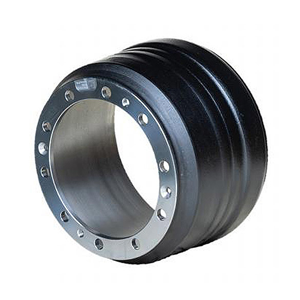
Car drum brakes are a vital component of many vehicles' braking systems, offering reliable performance and efficiency. Unlike disc brakes, which utilize a rotor and caliper, drum brakes consist of a cylindrical drum that houses brake shoes. When the brake pedal is engaged, hydraulic pressure pushes the brake shoes outward against the inner surface of the drum, creating friction that slows down or

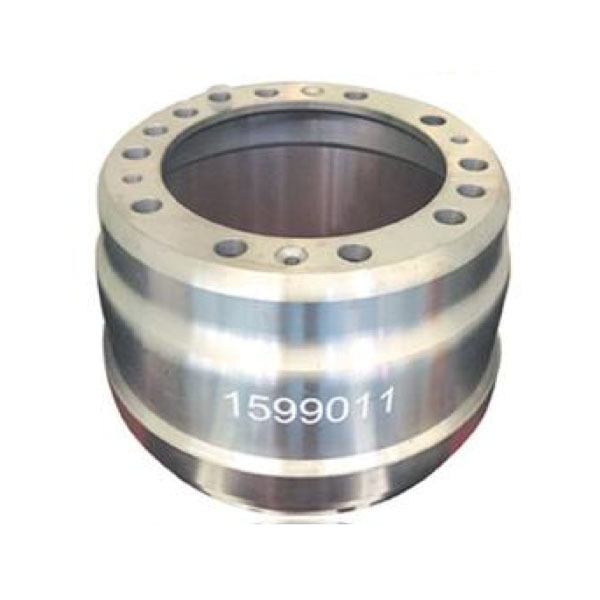
Car drum brakes are a vital component of many vehicles' braking systems, offering reliable performance and efficiency. Unlike disc brakes, which utilize a rotor and caliper, drum brakes consist of a cylindrical drum that houses brake shoes. When the brake pedal is engaged, hydraulic pressure pushes the brake shoes outward against the inner surface of the drum, creating friction that slows down or stops the vehicle. This mechanism is particularly common in older vehicles and in some rear brakes of modern cars due to its effectiveness and cost-efficiency.
One of the significant advantages of car drum brakes is their ability to handle heat better than disc brakes. The enclosed design helps dissipate heat generated during braking, reducing the chances of brake fade—an occurrence where brakes become less effective due to overheating. Additionally, drum brakes often provide a more substantial braking force, making them suitable for vehicles that require strong stopping power, such as trucks and SUVs.
Maintenance of car drum brakes is essential to ensure optimal performance and longevity. Regular inspections should be conducted to check for signs of wear, such as thinning brake shoes or scoring on the drum's surface. If the drum becomes excessively worn or damaged, it may need to be resurfaced or replaced. It's also important to keep the braking system free from debris and moisture, as these factors can impair functionality.
Another consideration is the adjustment of drum brakes. Unlike disc brakes, which typically self-adjust, drum brakes may require manual adjustment to ensure that the brake shoes are correctly positioned. This adjustment can help maintain the efficiency of the brakes and provide a more responsive braking experience.
In terms of technology, advancements in materials and design have enhanced the performance of car drum brakes. Many modern drum brakes are now made with high-friction materials and feature improved designs that promote better heat dissipation. This evolution has made drum brakes a viable option for a variety of vehicles, even in an era where disc brakes dominate the market.
In conclusion, understanding the mechanics and maintenance of car drum brakes is crucial for automotive professionals. Their unique design, coupled with their ability to provide robust braking power and reliable heat management, makes them an essential part of many vehicles' braking systems. Regular maintenance and proper adjustment can ensure that these brakes continue to perform at their best, ultimately contributing to the safety and reliability of the vehicle.
One of the significant advantages of car drum brakes is their ability to handle heat better than disc brakes. The enclosed design helps dissipate heat generated during braking, reducing the chances of brake fade—an occurrence where brakes become less effective due to overheating. Additionally, drum brakes often provide a more substantial braking force, making them suitable for vehicles that require strong stopping power, such as trucks and SUVs.
Maintenance of car drum brakes is essential to ensure optimal performance and longevity. Regular inspections should be conducted to check for signs of wear, such as thinning brake shoes or scoring on the drum's surface. If the drum becomes excessively worn or damaged, it may need to be resurfaced or replaced. It's also important to keep the braking system free from debris and moisture, as these factors can impair functionality.
Another consideration is the adjustment of drum brakes. Unlike disc brakes, which typically self-adjust, drum brakes may require manual adjustment to ensure that the brake shoes are correctly positioned. This adjustment can help maintain the efficiency of the brakes and provide a more responsive braking experience.
In terms of technology, advancements in materials and design have enhanced the performance of car drum brakes. Many modern drum brakes are now made with high-friction materials and feature improved designs that promote better heat dissipation. This evolution has made drum brakes a viable option for a variety of vehicles, even in an era where disc brakes dominate the market.
In conclusion, understanding the mechanics and maintenance of car drum brakes is crucial for automotive professionals. Their unique design, coupled with their ability to provide robust braking power and reliable heat management, makes them an essential part of many vehicles' braking systems. Regular maintenance and proper adjustment can ensure that these brakes continue to perform at their best, ultimately contributing to the safety and reliability of the vehicle.


Contact
E-mail:
Phone
Add:
West of Dongwang Village, Gucheng Town, Longyao County, Xingtai City, Hebei Province


Focus On The R&D Of Brake Drums And Wheels