

Understanding Car Drum Brakes: Essential Insights for Automotive Professionals
Mar 23,2026
Car drum brakes are a fundamental part of many vehicles' braking systems, particularly in older models and certain light trucks. Understanding how these brakes work and their maintenance needs is essential for automotive professionals aiming to ensure vehicle safety and performance.
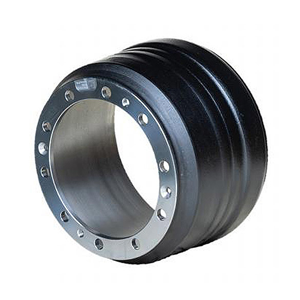
The drum brake mechanism consists of several key components: the brake drum, brake shoes, wheel cylinder, and return
Car drum brakes are a fundamental part of many vehicles' braking systems, particularly in older models and certain light trucks. Understanding how these brakes work and their maintenance needs is essential for automotive professionals aiming to ensure vehicle safety and performance.
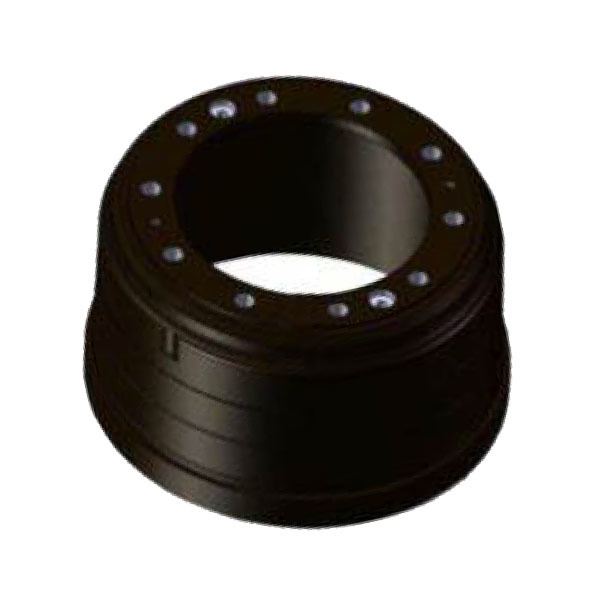
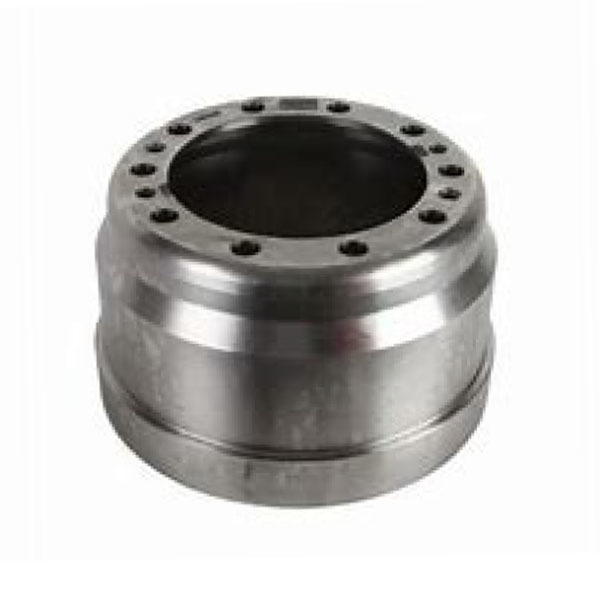
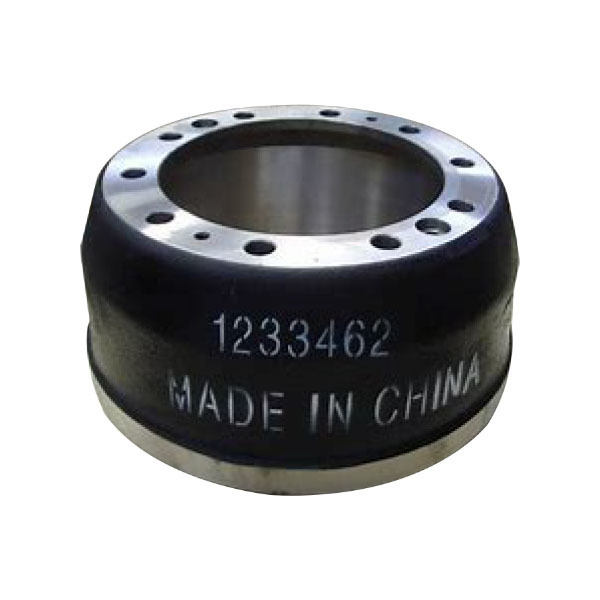
The drum brake mechanism consists of several key components: the brake drum, brake shoes, wheel cylinder, and return springs. When the driver applies the brakes, hydraulic pressure from the brake fluid pushes the wheel cylinder, forcing the brake shoes against the inner surface of the rotating drum. This friction slows down the wheel's rotation, bringing the vehicle to a stop. The design of drum brakes allows for effective heat dissipation, which is particularly beneficial in high-performance scenarios.
One of the significant advantages of drum brakes is their ability to provide a stronger stopping force compared to disc brakes, especially in smaller vehicles. Additionally, they are generally more cost-effective to manufacture and install, making them a popular choice for budget-conscious customers.
However, proper maintenance is essential for the longevity and effectiveness of car drum brakes. Regular inspection of the brake shoes and drum is crucial. Signs of wear can often include a squeaking sound, reduced braking efficiency, or a burning smell. It’s advisable to replace brake shoes when the lining wears down to about 1/8 inch to prevent damage to the drum itself, which can be costly if replacement is needed.
Selecting the right materials for brake shoes is also critical. High-quality materials can enhance performance and durability, leading to improved safety on the road. For instance, certain composite materials may offer better heat resistance and less brake fade, which is essential for maintaining consistent braking power under heavy use.
Moreover, when replacing drum brakes, it’s vital to consider the condition of the brake drum. If the drum has become warped or excessively worn, it may require resurfacing or replacement to ensure the new shoes function effectively. Regular cleaning of the drum's interior can also prevent dust buildup and corrosion, which can compromise braking performance.
In conclusion, car drum brakes are an integral element of the vehicle braking system, requiring regular attention and maintenance. Automotive professionals should prioritize understanding their mechanics and maintenance requirements to ensure optimal performance and safety for their clients. By staying informed and utilizing quality materials, you can help enhance the reliability and efficiency of drum brake systems in the vehicles you service.
The drum brake mechanism consists of several key components: the brake drum, brake shoes, wheel cylinder, and return springs. When the driver applies the brakes, hydraulic pressure from the brake fluid pushes the wheel cylinder, forcing the brake shoes against the inner surface of the rotating drum. This friction slows down the wheel's rotation, bringing the vehicle to a stop. The design of drum brakes allows for effective heat dissipation, which is particularly beneficial in high-performance scenarios.
One of the significant advantages of drum brakes is their ability to provide a stronger stopping force compared to disc brakes, especially in smaller vehicles. Additionally, they are generally more cost-effective to manufacture and install, making them a popular choice for budget-conscious customers.
However, proper maintenance is essential for the longevity and effectiveness of car drum brakes. Regular inspection of the brake shoes and drum is crucial. Signs of wear can often include a squeaking sound, reduced braking efficiency, or a burning smell. It’s advisable to replace brake shoes when the lining wears down to about 1/8 inch to prevent damage to the drum itself, which can be costly if replacement is needed.
Selecting the right materials for brake shoes is also critical. High-quality materials can enhance performance and durability, leading to improved safety on the road. For instance, certain composite materials may offer better heat resistance and less brake fade, which is essential for maintaining consistent braking power under heavy use.
Moreover, when replacing drum brakes, it’s vital to consider the condition of the brake drum. If the drum has become warped or excessively worn, it may require resurfacing or replacement to ensure the new shoes function effectively. Regular cleaning of the drum's interior can also prevent dust buildup and corrosion, which can compromise braking performance.
In conclusion, car drum brakes are an integral element of the vehicle braking system, requiring regular attention and maintenance. Automotive professionals should prioritize understanding their mechanics and maintenance requirements to ensure optimal performance and safety for their clients. By staying informed and utilizing quality materials, you can help enhance the reliability and efficiency of drum brake systems in the vehicles you service.

Contact
E-mail:
Phone
Add:
West of Dongwang Village, Gucheng Town, Longyao County, Xingtai City, Hebei Province


Focus On The R&D Of Brake Drums And Wheels