

The Essential Function of Rear Axle Brake Drums in Boosting Vehicle Performance
Feb 23,2026

The Essential Function of Rear Axle Brake Drums in Boosting Vehicle Performance
When it comes to vehicle performance, the braking system is one of the most vital aspects that ensure safety and efficiency. Among the key components of this system are the rear axle brake drums, which play a crucial role in the vehicle’s stopping power. In this article, we will delve deep into the significance of rear axle brake drums, exploring their functionality, benefits, and maintenance strategies to maximize their performance.
Table of Contents
- What Are Brake Drums?
- The Function of Rear Axle Brake Drums in Vehicles
- Key Benefits of Rear Axle Brake Drums
- Brake Drums vs. Disc Brakes: A Comparative Analysis
- Materials Used in Manufacturing Brake Drums
- Maintenance Tips for Rear Axle Brake Drums
- Common Problems Associated with Brake Drums
- The Future of Brake Drum Technology in Automotive Engineering
- Conclusion
- Frequently Asked Questions
What Are Brake Drums?
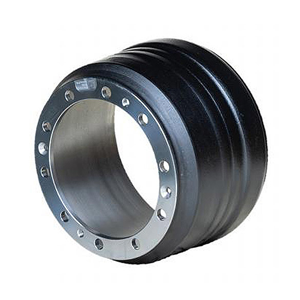
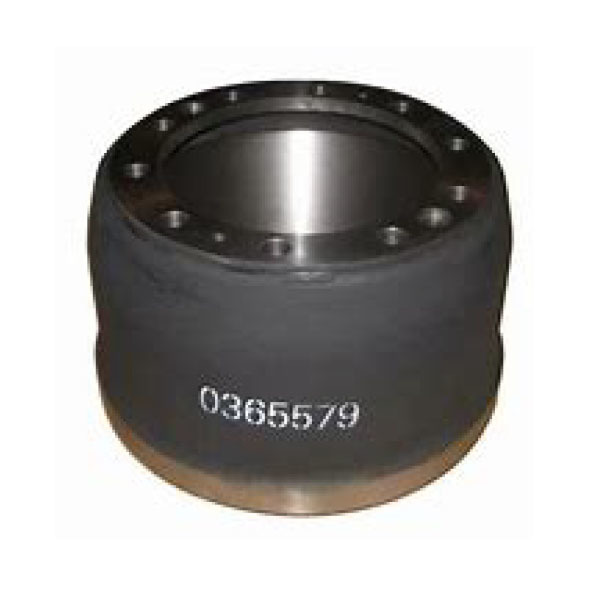
Brake drums are crucial components in the braking system of many vehicles, particularly those with rear drum brakes. Typically, they are made of cast iron or aluminum and serve as a housing for brake shoes. When the brake pedal is engaged, hydraulic pressure forces the brake shoes against the inner surface of the drum, creating friction that slows down or stops the vehicle.
Understanding Brake Drum Components
Each brake drum system comprises several essential parts, including:
- Brake Drums: The cylindrical part that rotates with the wheel.
- Brake Shoes: The friction material that presses against the drum.
- Wheel Cylinder: The hydraulic component that activates the brake shoes.
- Return Springs: These return the brake shoes to their resting position when the brake is released.
The Function of Rear Axle Brake Drums in Vehicles
Rear axle brake drums serve multiple functions that enhance vehicle performance. They are not merely for stopping; they contribute to overall vehicle safety and control.
Enhancing Stopping Power
Brake drums increase the stopping power of a vehicle by providing a larger surface area for friction. The design allows for greater contact between the brake shoes and the drum, which is crucial for effective braking.
Heat Dissipation
During braking, the friction generates heat, which can decrease braking performance if not properly managed. Brake drums are designed to dissipate heat effectively, reducing the risk of brake fade and maintaining consistent performance during prolonged use.
Weight Distribution and Stability
Brake drums are heavier than disc brakes, contributing to the vehicle's weight distribution. This added weight can provide better stability and control, especially in larger vehicles or those carrying heavy loads.
Key Benefits of Rear Axle Brake Drums
Understanding the benefits of rear axle brake drums can help vehicle owners make informed decisions about their braking systems.
Cost-Effectiveness
Brake drums are generally less expensive to manufacture and replace than their disc counterparts. This makes them a cost-effective choice for many vehicle owners.
Longevity
With proper maintenance, rear axle brake drums can last for many years. Their design allows for less wear and tear compared to other braking systems, leading to reduced replacement frequency.
Adaptability
Brake drums are versatile and can be found in various vehicle types, from passenger cars to trucks. Their adaptability makes them a reliable choice for many manufacturers.
Brake Drums vs. Disc Brakes: A Comparative Analysis
While both brake drums and disc brakes serve the same primary purpose of stopping the vehicle, they have distinct differences in design and functionality.
Performance
Disc brakes generally offer superior performance, especially in high-performance vehicles, due to their ability to dissipate heat quickly. However, brake drums provide effective stopping power, especially in moderate driving conditions.
Maintenance
Disc brakes are easier to inspect and replace, while brake drums require more effort to access and maintain. This can be a consideration for vehicle owners when deciding between the two systems.
Cost and Replacement
As previously mentioned, brake drums are usually more affordable, both in terms of initial cost and replacement. This can make them a more attractive option for budget-conscious vehicle owners.
Materials Used in Manufacturing Brake Drums
The materials used to manufacture brake drums can significantly affect their performance and durability.
Cast Iron
Cast iron is the most common material used due to its excellent heat dissipation and durability. It can withstand high temperatures and is less prone to warping over time.
Aluminum
Some modern vehicles use aluminum brake drums to reduce weight and improve fuel efficiency. While they may not provide the same level of heat resistance as cast iron, they offer a balance between performance and weight savings.
Maintenance Tips for Rear Axle Brake Drums
To ensure optimal performance and longevity of rear axle brake drums, regular maintenance is essential.
Regular Inspections
Conduct regular inspections of the brake system, looking for signs of wear, such as cracks or grooves in the drum. This can help catch problems early before they lead to more significant issues.
Keep the Brake System Clean
Debris and dust can accumulate inside the brake drum, affecting performance. Cleaning the brake components regularly can help maintain effective braking.
Monitor Brake Fluid Levels
Ensure that the brake fluid levels are adequate and that there are no leaks in the system. Low fluid levels can compromise the brake system's effectiveness.
Common Problems Associated with Brake Drums
Despite their benefits, rear axle brake drums are not without issues. Being aware of common problems can help vehicle owners address them promptly.
Brake Fade
Brake fade occurs when the brakes overheat, leading to reduced stopping power. This can happen if the brake drums are not adequately ventilated or if the system is not properly maintained.
Excessive Wear and Tear
Over time, brake shoes can wear down, leading to decreased effectiveness. Regular inspections can help mitigate this issue by allowing for timely replacements.
Rust and Corrosion
Brake drums can suffer from rust, especially in areas with high humidity or exposure to road salt. Regular cleaning and maintenance can help prevent this problem.
The Future of Brake Drum Technology in Automotive Engineering
As vehicle technology continues to evolve, so do the components of braking systems. The future of brake drums may include innovations that enhance their performance and durability.
Advanced Materials
The development of advanced materials that combine the strengths of cast iron and aluminum could lead to lighter, more efficient brake drums with improved heat dissipation and performance.
Integration with Electronic Systems
As vehicles become more technologically advanced, integrating rear axle brake drums with electronic braking systems could enhance their performance and effectiveness in various driving conditions.
Conclusion
Rear axle brake drums are essential to a vehicle's braking system, providing safety, performance, and longevity. Understanding their function, benefits, and maintenance needs is crucial for vehicle owners aiming to ensure effective braking. By prioritizing regular inspections and maintenance, drivers can enjoy the full advantages of their brake drum systems, ultimately enhancing their overall driving experience.
Frequently Asked Questions
1. How often should I replace my rear axle brake drums?
It is recommended to inspect your brake drums every 12,000 to 15,000 miles and replace them based on wear and tear or manufacturer recommendations.
2. Can I convert my drum brakes to disc brakes?
Yes, many vehicles can be retrofitted with disc brakes, but it's best to consult a professional mechanic for compatibility and safety.
3. What are the signs of worn brake drums?
Signs include unusual noises when braking, vibrations, and decreased stopping power. If you notice these symptoms, it’s crucial to have your brakes inspected immediately.
4. How can I improve the lifespan of my brake drums?
Regular maintenance, including inspections, cleaning, and timely replacement of brake shoes, can significantly enhance the lifespan of your brake drums.
5. Are rear axle brake drums more effective than disc brakes?
While rear axle brake drums offer effective performance for many vehicles, disc brakes generally provide better heat dissipation and performance, especially in high-demand situations.
PREVIOUS:

Contact
E-mail:
Phone
Add:
West of Dongwang Village, Gucheng Town, Longyao County, Xingtai City, Hebei Province


Focus On The R&D Of Brake Drums And Wheels