

Essential Tips for Troubleshooting Issues with Perforated Brake Discs
Oct 12,2026
Essential Tips for Troubleshooting Issues with Perforated Brake Discs
Understanding Perforated Brake Discs
Perforated brake discs, also known as ventilated or slotted discs, are engineered to enhance braking efficiency and heat dissipation. Their unique design features holes or slots that allow for better air circulation, helping to prevent brake fade during intense driving conditions. However, as
Essential Tips for Troubleshooting Issues with Perforated Brake Discs
Understanding Perforated Brake Discs
Perforated brake discs, also known as ventilated or slotted discs, are engineered to enhance braking efficiency and heat dissipation. Their unique design features holes or slots that allow for better air circulation, helping to prevent brake fade during intense driving conditions. However, as with any component of a vehicle's braking system, issues can arise. Recognizing early warning signs and knowing how to troubleshoot these problems can save you both time and money.
Common Symptoms of Problems with Perforated Brake Discs
When dealing with perforated brake discs, it's crucial to be vigilant about any unusual signs. Here are some common symptoms that may indicate a problem:
1. Unusual Noises During Braking
One of the first indicators of an issue with your brake discs is unexpected noises. You may hear grinding, squeaking, or metallic sounds when applying the brakes. These noises often suggest that the pads have worn down, or that dirt and debris have accumulated around the discs.
2. Vibration or Shaking While Braking
If you experience vibrations or shaking when braking, it may indicate an uneven surface on the brake disc. This condition can lead to poor braking performance and should not be ignored.
3. Reduced Braking Performance
A noticeable decrease in braking effectiveness can signal several issues, including worn-out brake pads or overheating discs. If you find that your vehicle takes longer to stop, it’s imperative to examine the brake system immediately.
4. Brake Disc Discoloration or Cracking
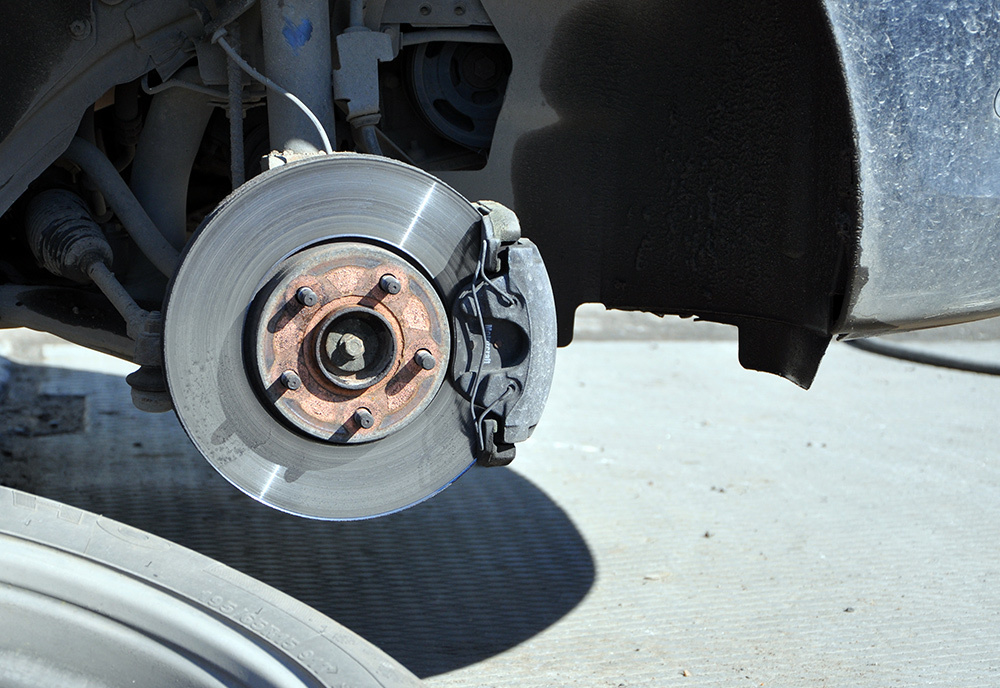
Visual inspection of your brake discs can reveal discoloration or cracks. These issues often arise from excessive heat or stress and can compromise the integrity of the disc.
Causes of Issues with Perforated Brake Discs
Understanding the root causes of problems with perforated brake discs is vital for effective troubleshooting. Here are some common factors that contribute to these issues:
1. Overheating
One of the primary causes of problems with brake discs is overheating. When the brake system is subjected to high temperatures, it can lead to warping or cracking, particularly if the discs are not adequately ventilated.
2. Contaminated Brake Pads
Brake pads that have become contaminated with oil, grease, or moisture can significantly impact braking performance. This contamination can lead to uneven wear on the brake discs.
3. Poor Quality Components
Using low-quality brake components can result in premature wear and failure. Always opt for high-quality, manufacturer-recommended parts when servicing your braking system.
4. Incorrect Installation
An improper installation of brake components can lead to uneven wear and performance issues. It’s essential to follow the manufacturer’s guidelines to ensure proper setup.
Step-by-Step Guide to Troubleshooting Perforated Brake Discs
When faced with issues regarding your perforated brake discs, follow this systematic troubleshooting guide to identify and resolve the problem efficiently.
Step 1: Conduct a Visual Inspection
Begin with a thorough visual inspection of the brake discs and pads. Look for signs of wear, cracks, or discoloration. This step helps determine if the discs need replacement or if the pads require attention.
Step 2: Check for Warping
To check for warping, you can use a dial indicator. Place it on the disc surface and spin the wheel. Any variation in measurement indicates that the disc is warped and may need resurfacing or replacement.
Step 3: Examine Brake Pads
Remove the wheels to inspect the brake pads closely. Look for uneven wear patterns or signs of contamination. If the pads are significantly worn or damaged, they should be replaced.
Step 4: Assess Brake Fluid Condition
Low or contaminated brake fluid can affect brake performance. Check the fluid level and inspect it for color and clarity. If the fluid appears dark or contains debris, it’s time for a change.
Step 5: Look for Air in the Brake Lines
Air trapped in the brake lines can lead to a spongy brake feel. To eliminate any air bubbles, perform a brake bleed. This process will ensure that your braking system is functioning at optimal levels.
Step 6: Test Drive
After completing the inspection and making any necessary repairs or replacements, take your vehicle for a test drive. Pay attention to how the brakes respond, ensuring there are no unusual noises or vibrations.
Common Repairs for Perforated Brake Discs
Once you've identified the issues, you may need to perform specific repairs to restore your brake system's functionality.
1. Resurfacing the Brake Discs
If the discs are only slightly warped or uneven, resurfacing might be a viable option. This process involves machining the disc surface to create a smooth, even finish.
2. Replacing Brake Pads and Discs
In cases of severe wear or damage, replacing both the brake pads and discs is often necessary. Ensure that the new components are of high quality to guarantee long-lasting performance.
3. Flushing the Brake Fluid
If the brake fluid is contaminated, performing a brake fluid flush is essential. This process will remove old fluid and replace it with fresh, clean fluid, ensuring optimal brake performance.
4. Bleeding the Brake System
After replacing any components, bleeding the brake system will remove any trapped air, restoring the brake system's performance.
Maintenance Tips to Prevent Issues with Perforated Brake Discs
Preventing issues with your brake discs is always preferable to troubleshooting. Here are some effective maintenance tips:
1. Regular Inspections
Schedule regular inspections of your brake system to catch any potential issues early. This practice can save you from costly repairs down the line.
2. Use Quality Components
Always choose high-quality brake pads and discs that meet or exceed manufacturer specifications. This decision will ensure better durability and performance.
3. Keep Braking System Clean
Periodically clean your brake components to remove dust and debris. This practice helps maintain optimal braking performance and extends the lifespan of your discs and pads.
4. Monitor Driving Habits
Adjusting your driving habits can significantly affect the longevity of your braking system. Avoid aggressive driving and heavy braking whenever possible.
FAQs about Perforated Brake Discs
1. What are perforated brake discs, and how do they differ from solid discs?
Perforated brake discs feature holes or slots to improve ventilation and heat dissipation, while solid discs are a single piece without these features. The ventilation in perforated discs helps reduce brake fade during intense driving.
2. How often should I inspect my brake discs?
It's recommended to inspect your brake discs every 10,000 to 15,000 miles or during regular vehicle service intervals. Pay attention to any signs of wear or damage.
3. Can I replace brake pads without changing the discs?
Yes, you can replace brake pads without changing the discs, provided the discs are in good condition and have sufficient thickness. However, if the discs show signs of wear, replacing them alongside the pads is advisable.
4. How can I tell if my brake discs are warped?
You can check for warping by using a dial indicator or by noticing vibrations or shaking when braking. If you experience these symptoms, your discs may need to be examined further.
5. Is it safe to drive with damaged brake discs?
Driving with damaged brake discs can be extremely dangerous and is not advisable. If you suspect any issues, it’s best to have your braking system inspected and repaired immediately.
Conclusion
Troubleshooting issues with perforated brake discs requires a keen eye and a systematic approach. By understanding the signs, causes, and effective solutions, we can ensure our vehicles perform at their best. Regular maintenance and quality components play crucial roles in preventing brake disc problems. If you notice any symptoms of wear or damage, addressing them promptly will not only enhance your vehicle's safety but also extend the life of your braking system. Remember, a well-functioning brake system is vital for your driving safety, so stay proactive in your vehicle maintenance.
Contact
E-mail:
Phone
Add:
West of Dongwang Village, Gucheng Town, Longyao County, Xingtai City, Hebei Province


Focus On The R&D Of Brake Drums And Wheels