


Understanding Car Brake Drums: Essential Insights for Automotive Professionals
Jul 27,2026
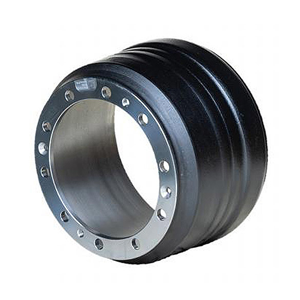
Car brake drums are crucial components of the automotive braking system, playing an integral role in slowing down or stopping a vehicle. Brake drums operate on the principle of friction. When the brake pedal is engaged, brake shoes expand against the inner surface of the drum, generating the friction needed to decelerate the vehicle. Understanding the design and functionality of brake drums can si
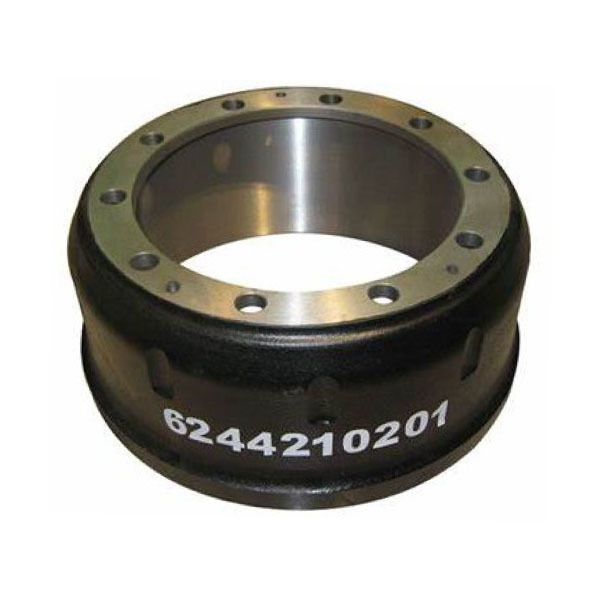
Car brake drums are crucial components of the automotive braking system, playing an integral role in slowing down or stopping a vehicle. Brake drums operate on the principle of friction. When the brake pedal is engaged, brake shoes expand against the inner surface of the drum, generating the friction needed to decelerate the vehicle. Understanding the design and functionality of brake drums can significantly enhance safety and performance in vehicle operation.
There are primarily two types of brake drums: conventional and vented. Conventional brake drums are solid and are typically found in older vehicle models, while vented brake drums feature a hollow design that allows for better heat dissipation. This is particularly important during heavy braking situations, as excessive heat can lead to brake fade, reducing the effectiveness of the brakes.
Maintenance of car brake drums is vital for ensuring their longevity and optimal performance. Regular inspection of brake drums should include checking for signs of wear, such as cracking, warping, or scoring on the surface. A visual inspection can often reveal significant issues that may not be apparent during regular vehicle operation. Additionally, it's essential to ensure that the brake shoes are aligned correctly within the drum and that the drum itself is free from debris.
The material composition of brake drums is also an important consideration. While many brake drums are made of cast iron, which offers excellent durability and heat resistance, some are manufactured from aluminum or composite materials for weight savings. Each material presents its own advantages and considerations, particularly in high-performance applications where weight and heat management are critical.
It's important to recognize the signs that may indicate your brake drums need attention. Unusual noises such as grinding or squeaking can signal that the brake shoes are worn or that the drum itself is damaged. Additionally, if you notice a decrease in braking performance or a vehicle pulling to one side during braking, these can be indicators of brake drum issues requiring immediate evaluation.
In conclusion, car brake drums are vital components that require regular maintenance and attention. By understanding their operation, types, and maintenance needs, automotive professionals can ensure better vehicle safety and performance. Staying informed about advancements in brake drum technology and materials will further enhance your expertise and service capabilities in the automotive industry.
There are primarily two types of brake drums: conventional and vented. Conventional brake drums are solid and are typically found in older vehicle models, while vented brake drums feature a hollow design that allows for better heat dissipation. This is particularly important during heavy braking situations, as excessive heat can lead to brake fade, reducing the effectiveness of the brakes.
Maintenance of car brake drums is vital for ensuring their longevity and optimal performance. Regular inspection of brake drums should include checking for signs of wear, such as cracking, warping, or scoring on the surface. A visual inspection can often reveal significant issues that may not be apparent during regular vehicle operation. Additionally, it's essential to ensure that the brake shoes are aligned correctly within the drum and that the drum itself is free from debris.
The material composition of brake drums is also an important consideration. While many brake drums are made of cast iron, which offers excellent durability and heat resistance, some are manufactured from aluminum or composite materials for weight savings. Each material presents its own advantages and considerations, particularly in high-performance applications where weight and heat management are critical.
It's important to recognize the signs that may indicate your brake drums need attention. Unusual noises such as grinding or squeaking can signal that the brake shoes are worn or that the drum itself is damaged. Additionally, if you notice a decrease in braking performance or a vehicle pulling to one side during braking, these can be indicators of brake drum issues requiring immediate evaluation.
In conclusion, car brake drums are vital components that require regular maintenance and attention. By understanding their operation, types, and maintenance needs, automotive professionals can ensure better vehicle safety and performance. Staying informed about advancements in brake drum technology and materials will further enhance your expertise and service capabilities in the automotive industry.
PREVIOUS:


Contact
E-mail:
Phone
Add:
West of Dongwang Village, Gucheng Town, Longyao County, Xingtai City, Hebei Province


Focus On The R&D Of Brake Drums And Wheels