


Understanding Car Brake Drums: Essential Components for Safety and Performance
Oct 20,2025
Car brake drums are crucial components of a vehicle's braking system, primarily found in older cars and some newer models that utilize drum brakes on the rear wheels. Understanding how these components work and their significance can empower vehicle owners and automotive professionals alike to make informed decisions regarding maintenance and replacement.
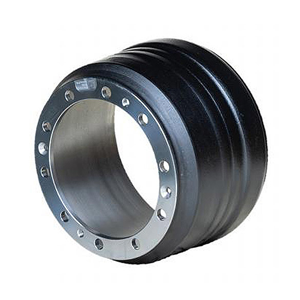
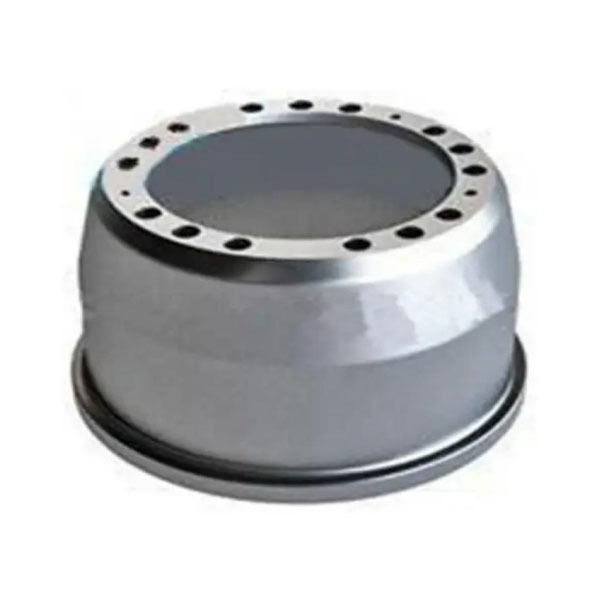
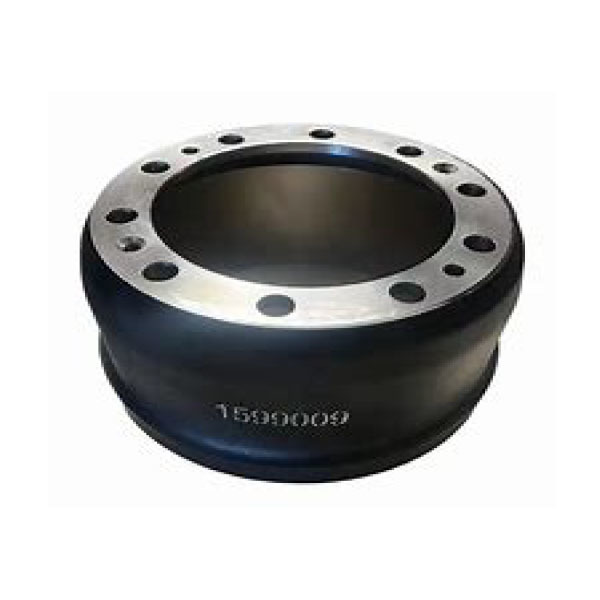
A brake drum is a cylindrical part that houses the brake shoes, which are pressed against its inner surface when the brakes are applied. This friction creates the necessary force to slow down or stop the vehicle. The design of the drum allows for effective heat dissipation, which is essential since repeated braking generates significant heat. However, excessive heat can lead to fading, where the brake performance diminishes, making it critical to monitor the condition of the brake drums.
One of the primary advantages of drum brakes is their ability to provide strong stopping power, particularly in heavy vehicles. They are also less prone to water damage compared to disc brakes, as the configuration allows for better water drainage. However, they do have some disadvantages, such as a tendency to overheat under heavy use and longer stopping distances compared to disc brakes.
Proper maintenance of car brake drums is vital for ensuring optimal performance and safety. Regular inspections can help identify wear and tear, such as scoring or cracking on the drum surface, which can affect braking efficiency. It's also essential to check the brake shoes for wear, as replacing them when needed can prevent damage to the drums themselves and prolong their lifespan. Many manufacturers recommend replacing the brake drums every few years or when they reach a specified thickness, which can vary by vehicle model.
When it comes to installation, ensuring that the brake drum is correctly fitted is crucial. Misalignment can lead to uneven wear and decreased braking effectiveness. Additionally, during reassembly, it's important to check for any debris or contamination that could impact the braking system's performance.
In summary, car brake drums are an integral part of the braking system, and their importance cannot be overstated. Understanding their function, benefits, and maintenance needs can significantly enhance vehicle performance and safety. By prioritizing regular inspections and timely replacements, vehicle owners can ensure their braking system remains reliable and efficient, contributing to safer driving experiences.


Contact
E-mail:
Phone
Add:
West of Dongwang Village, Gucheng Town, Longyao County, Xingtai City, Hebei Province


Focus On The R&D Of Brake Drums And Wheels